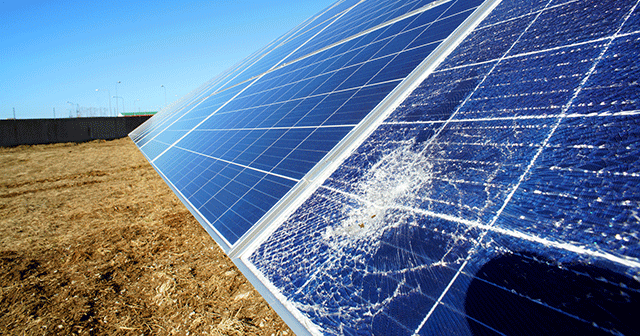




Hail is costly to the solar industry, with the potential to cause millions of dollars in damage. Learn four weather-related approaches to reducing risk.
Four Solar Industry Weather Wants for Hail Risk Management
Hail is costly to the solar industry, with the potential to cause millions of dollars in damage. Learn four weather-related approaches to reducing risk.
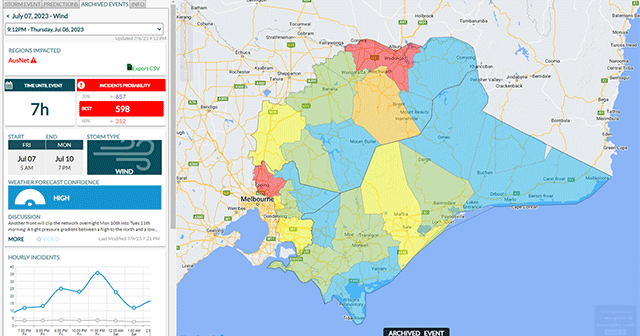
Storm Impact Analytics from DTN delivers advanced outage prediction data and technology to support improved planning and decisioning during weather impacts to power grids.
Learn key takeaways from the Future of Utilities Summit, where discussions focused on the need for resiliency and the power of data and digitalisation.
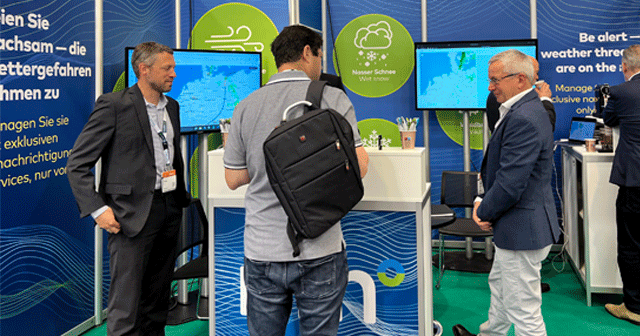
Last year, European utilities faced intense weather challenges. Learn how Storm Risk Dashboard, which debuted at E-world, revolutionizes planning and response.
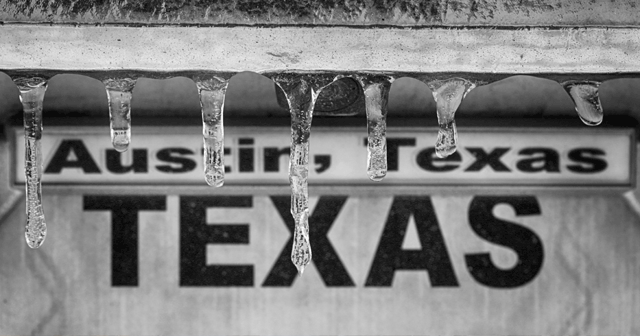
With extreme winter weather already hitting parts of the United States, utilities must prepare their operations to manage the season’s impacts.
Storm Risk Analytics is a first-to-market solution that combines advanced weather intelligence and machine learning outage prediction to help mid-size electric utilities more confidently make incident command and storm impact decisions before, during and after extreme weather events.
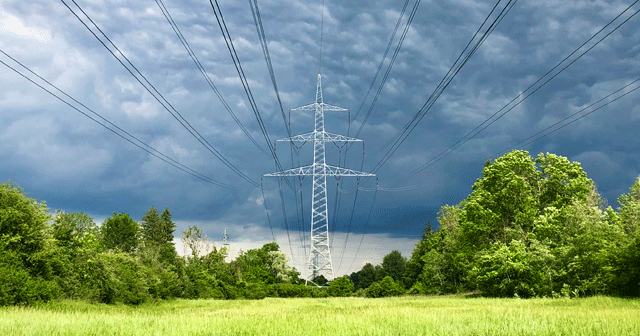
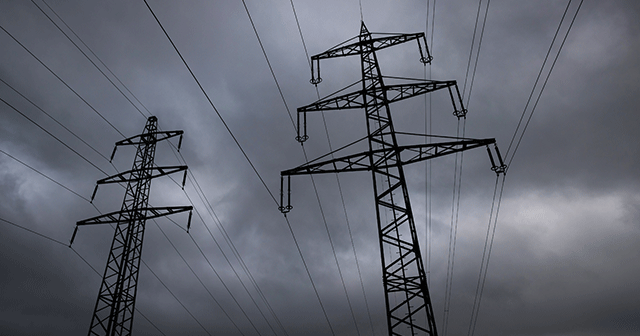
Grid hardening has been a topic of discussion in the utility industry for many years. This nation’s electric grid has not been entirely upgraded in some time. Never before has the grid been more vulnerable to physical and cyber attacks.
Mark Twain once said about the weather, “In the Spring, I have counted 136 different kinds of weather inside of 24 hours.” This unpredictability has made the average person concerned with the weather forecast. How much more so for those who hold positions of responsibility in electric utility companies?
Mutual aid can quickly complicate matters and frustrate clients without accurate information and proper procedures in place. With the pressures of power outages and customer expectations, a utility company can rapidly go from “strength in numbers” to “too much of a good thing.”
For more than four decades, DTN has been trusted to deliver reliable, science-based weather intelligence. That legacy continues today with an important evolution: DTN is no longer simply providing forecasts—it is redefining what operational weather intelligence looks like for utility emergency management teams responsible for preparing for, responding to, and recovering from weather-driven disruptions. For