


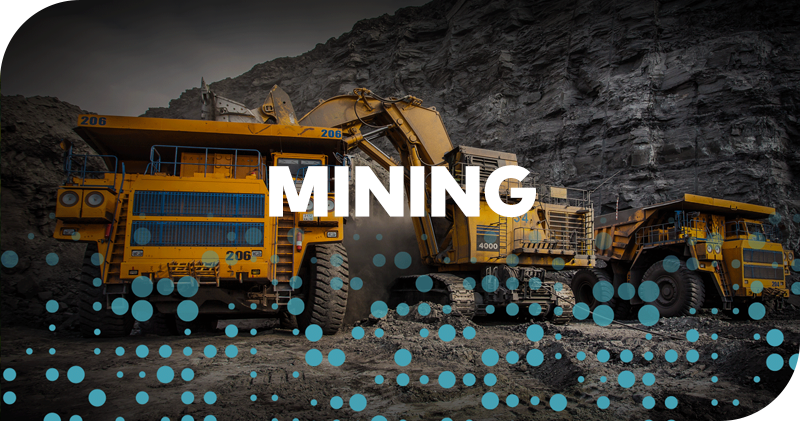
 Comprehensive weather insights help safeguard your operations and drive confident decisions to make everyday mining operations as safe and efficient as possible.
 Learn how to optimize operations with credible weather and environmental intelligence. From aviation safety to environmental compliance, our comprehensive suite of solutions delivers real-time insights, advanced forecasting, and precise monitoring capabilities.
 Ida continues to strengthen, along with concern about explosive development shortly before landfall. Chief Meteorologist Jim Foerster provides more detail.
U.S. Gulf Coast residents flee ‘extremely dangerous’ Hurricane Ida
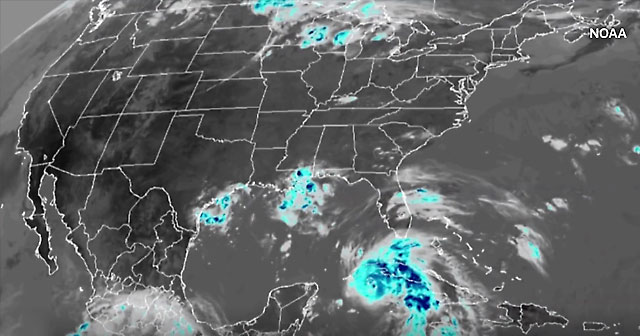

Ida continues to strengthen, along with concern about explosive development shortly before landfall. Chief Meteorologist Jim Foerster provides more detail.
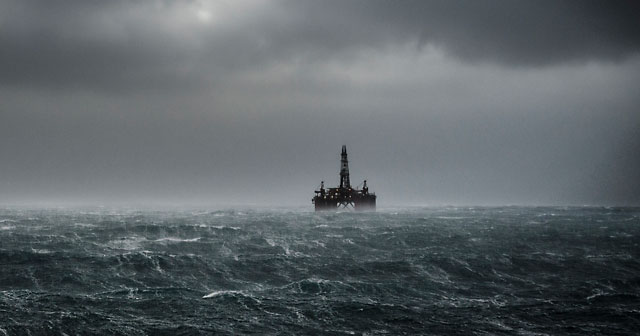
Companies with offshore and onshore energy assets are bracing for the arrival of Hurricane Ida, whose projected path poses the biggest tropical threat so far this season for the oil and gas industry.

Severe weather continues to be a major thorn in the side of utility companies, and climate change has only increased the challenges in recent years. The resulting power outages have a devastating effect, shutting down schools and businesses and even slowing down emergency services.

Even though the tropical storm is still developing, offshore operators are beginning to evacuate. Chief meteorologist Jim Foerster explains why the storm is a threat.
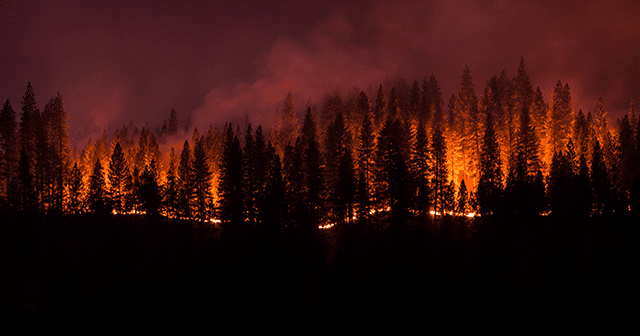
Wildfires have significant environmental and economic impacts, particularly in the western region of the U.S. where the typical wildfire season is becoming longer, primarily because of warmer springs and very dry summers, both of which contribute to drier soils and vegetation.
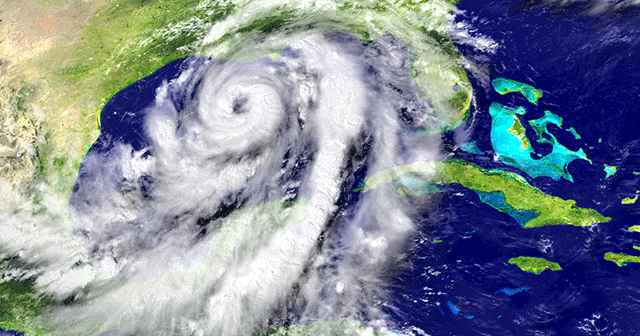
Peak hurricane activity in the Atlantic is just a few weeks away. For oil and gas market participants, it’s time to take a serious and detailed look at how this is likely to impact markets.
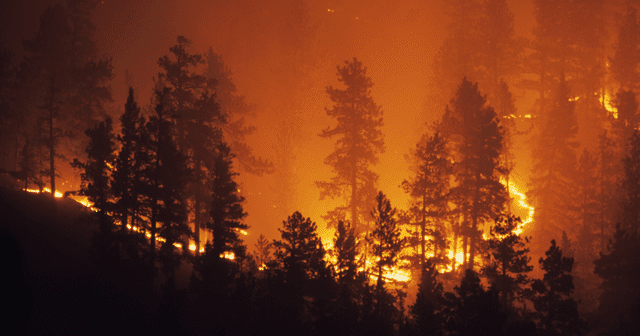
The number and intensity of fires worldwide have increased, bringing a new set of risks. Fire weather forecasting can help save lives and property.
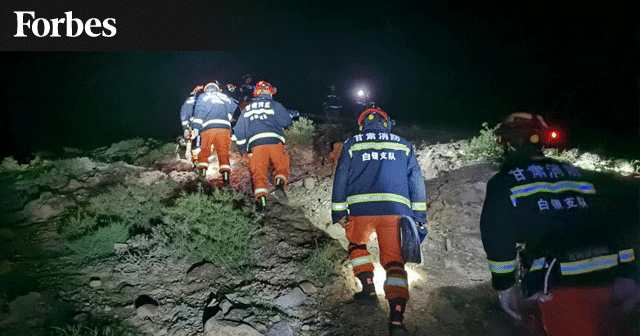
It is no longer sufficient to forecast the weather, communicating risk helps businesses and communities better prepare and respond to weather events.
While this year’s hurricane season has been quiet for the past few weeks, all signs point toward the season ramping up in the coming months and meeting the original projection in terms of number and strength of storms. While it is still not predicted to be as busy as last year’s hurricane season with its
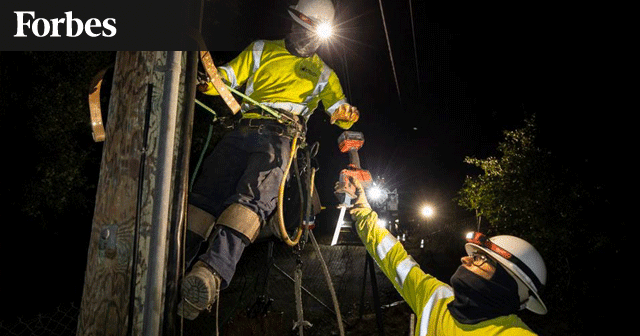
Utilities are being challenged by recent extreme weather events and the constant variability of the atmosphere. Not only is this wreaking havoc on grid reliability and load forecasting, but it is also spurring new regulations.