








 Comprehensive weather insights help safeguard your operations and drive confident decisions to make everyday mining operations as safe and efficient as possible.
 Learn how to optimize operations with credible weather and environmental intelligence. From aviation safety to environmental compliance, our comprehensive suite of solutions delivers real-time insights, advanced forecasting, and precise monitoring capabilities.
 Weather intelligence benefits event planners beyond public safety, it can also impact decisions around attendance, operations, and revenue.
Weather Insights Improve Outdoor Event Operations


Weather intelligence benefits event planners beyond public safety, it can also impact decisions around attendance, operations, and revenue.

Join DTN for its expert-led U.S. Summer & Tropical Weather Outlook webinar, April 20 at 11 a.m. CDT.

There are different types of turbulence, but clear air turbulence or CAT is especially hazardous for pilots, crew, and passengers. One telling statistic is that turbulence incidents account for more than 70 percent of all weather-related incidents that can cause damage and injury.

Mark Twain once said about the weather, “In the Spring, I have counted 136 different kinds of weather inside of 24 hours.” This unpredictability has made the average person concerned with the weather forecast. How much more so for those who hold positions of responsibility in electric utility companies?

Weather can be a competitive and operational advantage, as well as a safety factor. Stewart Williams, DTN Senior Sports & Recreation Meteorologist, recently explained why golfers travel with meteorologist on tour.
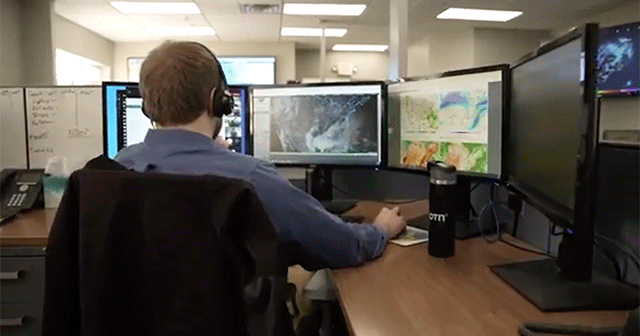
Disaster risk reduction through impact-based forecasts and coordinated disaster response efforts are critical in today’s climate. DTN risk communicators are at the forefront of this effort.

With extreme weather events becoming the norm, publicly traded and large privately held companies are increasingly being asked to do more to inform their stakeholders regarding risk.
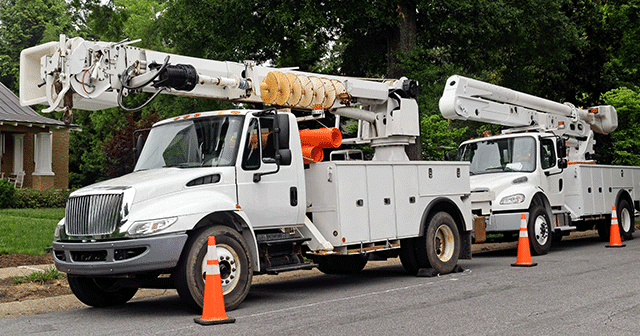
Mutual aid can quickly complicate matters and frustrate clients without accurate information and proper procedures in place. With the pressures of power outages and customer expectations, a utility company can rapidly go from “strength in numbers” to “too much of a good thing.”

Meteorologist Wade Stettner is part of a team of DTN forecasters dedicated to working with our sports, public safety and events customers to ensure real-time information for confident, real-time decisions.

There are many pieces of information that are collected when planning a marine operation, from the risk assessment to its alpha factor. These practices are in place to ensure that any process is done safely and that the equipment and crew are protected from unsafe weather conditions.