









 Comprehensive weather insights help safeguard your operations and drive confident decisions to make everyday mining operations as safe and efficient as possible.
 Learn how to optimize operations with credible weather and environmental intelligence. From aviation safety to environmental compliance, our comprehensive suite of solutions delivers real-time insights, advanced forecasting, and precise monitoring capabilities.
 Explore how DTN Risk Communicator provides tailored, real-time weather insights, helping airports minimize disruptions and stay ahead of critical threats.
How DTN Risk Communicator Transforms Airport Operations


Explore how DTN Risk Communicator provides tailored, real-time weather insights, helping airports minimize disruptions and stay ahead of critical threats.
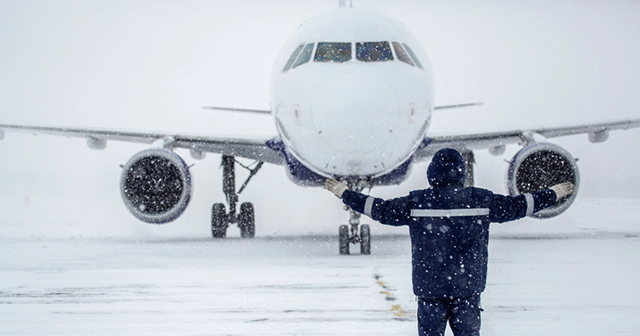
U.S. airport operators are feeling pressured by extreme weather. See the challenges they shared at a recent industry conference and how DTN can help.

For airport ground operations, every season brings different weather challenges. These adverse conditions can cause problems for ramp safety and operational efficiency.

When it comes to aviation, knowledge is power. The aviation community relies heavily upon weather reports to ensure that flights are safe and make important decisions about their flights. Two of the most commonly used weather reports are METARs and TAFs.

There are different types of turbulence, but clear air turbulence or CAT is especially hazardous for pilots, crew, and passengers. One telling statistic is that turbulence incidents account for more than 70 percent of all weather-related incidents that can cause damage and injury.

It is almost 120 years since the Wright brothers achieved the first powered, sustained, and controlled airplane flight. Aviation technology has made many incredible advances in that time. However, despite all that progress, there continue to be problems that make the experience of flying less than comfortable at times for airline personnel and travelers alike.
For most airline passengers, when the seatbelt light goes off its time to unbuckle. The plane has successfully taken off and is cruising smoothly to its destination. But cruising in clear skies doesn’t necessarily mean smooth flying.