









 Comprehensive weather insights help safeguard your operations and drive confident decisions to make everyday mining operations as safe and efficient as possible.
 Learn how to optimize operations with credible weather and environmental intelligence. From aviation safety to environmental compliance, our comprehensive suite of solutions delivers real-time insights, advanced forecasting, and precise monitoring capabilities.
 The 2022 UN Ocean Conference focused on global actions for sustainable use of the ocean. Weather analytics contributes to reaching these goals.
Weather Analytics Contributes to Ocean Sustainability Goals


The 2022 UN Ocean Conference focused on global actions for sustainable use of the ocean. Weather analytics contributes to reaching these goals.

Weather will influence thousands of fireworks shows decisions across the country, including some who chose to go high-tech. DTN Chief Meteorologist Jim Foerster explains.

Heat and lightning are serious weather risks for athletes in Florida. Polk Country AD Dan Talbot talks about why his district relies on DTN WeatherSentry.

Marine operators using 90POE’s OpenOcean STUDIO now have access to advanced weather intelligence with the cloud-based DTN Marine Weather API.
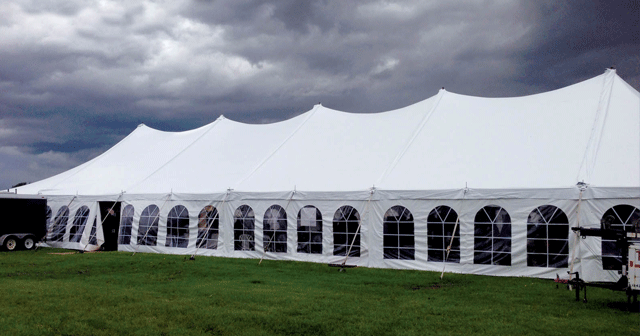
A darkening sky during an event is never cause for celebration. But veteran event planners will tell you that success depends on storm safety planning.

Get a detailed breakdown of seasonal risks and how to manage them with our Summer and Tropical Outlook Report for the U.S.

The extreme wind is an inconvenience and annoying, but it has also fueled wildfires, disrupted the supply chain, and threatened our infrastructure and public safety.

Severe weather poses a myriad of dangers to drilling operations, particularly when offshore equipment is involved. In the past, managers of oil rig operations had to rely on forecast thresholds for general areas in which their assets were located. Being able to carry out a proper weather risk assessment using the right suite of weather forecast and reporting tools has become essential.

From fans and athletes to the front offices, no one will be able to escape the potential risks of heat stress this summer.

See how real-time weather intelligence helps event organizers protect people, equipment, and profits—download the full article now.