


Mississippi’s Cooperative Energy quickly restores power with DTN TornadoTrax and Esri ArcGIS.
Common Operating Picture Speeds Power Restoration after Storms
Mississippi’s Cooperative Energy quickly restores power with DTN TornadoTrax and Esri ArcGIS.
The weather is so unpredictable. You never know what the weather will be like next week, or even tomorrow for that matter. For most of your life, not having a reliable weather forecast is relatively low-risk. For example, you may not have an umbrella when you need it, but you can still carry on with your day relatively unscathed. However, as someone who works in the utility industry, the risks are much higher. For example, lengthy power outages in a particular area can lead to severe and widespread damage when there is no power for weeks after a big storm.
Game time was fast approaching. Should the club hold the game or cancel it for inclement weather? The best weather report they could find showed there was a chance the cold weather would shift more to the north. Not wanting to disappoint the fans, management made the decision, game on! But an hour and a half into the game, shivering fans in the stands, and turf conditions tell otherwise.
As the world has seen in the last few years, world conditions and weather continue to present new challenges to the tourism industry, especially cruise lines. However, the travel industry continues to lead the way in adapting to new global conditions, and they have made significant advancements to ensure their guests can continue traveling in a safe, enjoyable environment.
When extreme weather strikes, utilities must jump into action and ensure power restoration as quickly as possible. The risk is ever-present and ever-growing as climate change, and rising customer expectations become more common. During a storm, the problem quickly comes into focus: the severe weather. While weather intelligence is vital to optimizing your response and is a large piece of the puzzle, it is only one piece.
Using blockchain technology, real-time weather data can be readily accessed and is driving renewed interest in parametric insurance.
When facing a storm, machine learning can be the difference between storm damage and storm preparedness. As utilities head into storm season, machine learning can help them better position themselves to handle storms of all kinds coming their way. The result is a better-prepared organization that minimizes damage during storms! In addition, your power restoration process will be more efficient, which means safer and happier customers.
While you cannot prevent power outages, how you react will go a long way towards putting your consumers’ minds at ease and maintaining that customer relationship. Of course, optimizing your power restoration process begins with the correct data. Storm Impact Analytics allows you to know where extreme weather will hit your area and how hard, allowing you to quickly respond and get the right resources in place.
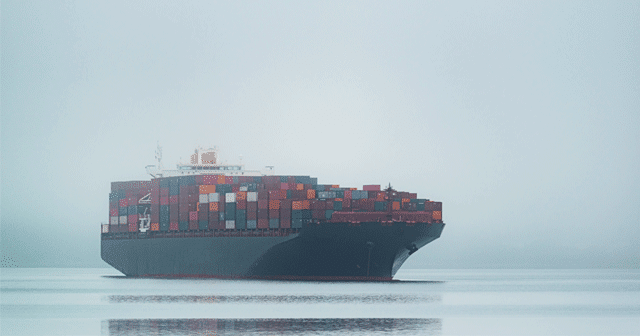
Supply chain congestion will soon contend with winter weather along the Pacific Ocean routes, bringing new challenges heading into the holiday season.
Extreme weather events are increasing, and utilities and customers alike are feeling the impact. According to Climate Central, the United States has experienced a 67% increase in major power outages from weather-related events since 2000, a trend predicted to continue as extreme weather events increase in frequency.