







 Comprehensive weather insights help safeguard your operations and drive confident decisions to make everyday mining operations as safe and efficient as possible.
 Learn how to optimize operations with credible weather and environmental intelligence. From aviation safety to environmental compliance, our comprehensive suite of solutions delivers real-time insights, advanced forecasting, and precise monitoring capabilities.
 The Impact Of El Nino On Hurricane Season
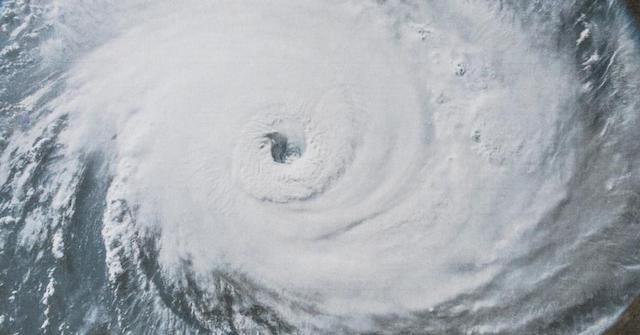
Everyone is talking about a potential “Super El Niño.” But what does that actually mean, and how does El Niño influence the broader hurricane season outlook?
El Niño typically suppresses Atlantic hurricane activity by increasing vertical wind shear, which disrupts storm formation. At the same time, it enhances hurricane activity in the eastern and central Pacific by creating more favorable atmospheric conditions. Strong events, sometimes called “Super El Niño,” amplify these effects.
Stronger wind shear suppresses Atlantic storms while fueling increased Pacific hurricane activity.
In simple terms, El Niño shifts hurricane activity away from the Atlantic and toward the Pacific.
To understand why these patterns occur, we need to start with the broader climate system behind them: the El Niño–Southern Oscillation (ENSO).
ENSO is a coupled ocean–atmosphere phenomenon characterized by periodic fluctuations in sea surface temperatures (SSTs) and atmospheric pressure patterns across the equatorial Pacific.
Hurricane activity is highly sensitive to both oceanic heat content and atmospheric dynamics. Because ENSO alters global circulation patterns, it plays a central role in modulating tropical cyclone frequency, intensity, and spatial distribution across the Atlantic and Pacific basins.
Understanding the physical mechanisms behind El Niño, and extreme events like “Super El Niño,” using modern tropical weather forecasting tools provides critical insight into seasonal hurricane variability.
Super El Niño amplifies the large-scale conditions that reshape global hurricane activity.
What Is El Niño?
El Niño is the warm phase of ENSO, defined by persistent, above-average sea surface temperature anomalies in the central and eastern equatorial Pacific Ocean.
These SST anomalies weaken the Walker Circulation, a zonal (east–west) overturning circulation in the tropics, leading to a redistribution of convection and latent heat release across the Pacific basin. As deep convection shifts eastward, large-scale atmospheric responses propagate globally through teleconnections.
For tropical cyclone development, these changes are critical. Hurricanes require a combination of warm ocean waters, low vertical wind shear, and sufficient atmospheric instability. El Niño modifies several of these ingredients simultaneously, often in opposing ways across different basins.
ENSO Teleconnections and Hurricane Activity
Atlantic Basin: Typically Suppressed Activity
During El Niño years, hurricane activity in the Atlantic is often reduced. This is primarily due to an increase in vertical wind shear, a change in wind speed and direction with height in the atmosphere.
Stronger upper-level winds generated over the Pacific tend to extend into the Caribbean and tropical Atlantic. These winds disrupt developing thunderstorms, preventing them from organizing into tropical cyclones.
Even when ocean temperatures in the Atlantic are favorable, increased wind shear can significantly limit storm development. This is a key reason why El Niño hurricane activity in the Atlantic is often reduced.
History shows that even in quieter Atlantic seasons, a single storm can still cause major impacts.
Eastern and Central Pacific: Typically Enhanced Activity
In contrast, El Niño tends to increase hurricane activity in the eastern and central Pacific.
Warmer ocean waters provide more energy for storm development, while atmospheric conditions become more favorable for rising motion and thunderstorm formation. As a result, these regions often see more frequent and sometimes stronger tropical systems during El Niño years.
What Is a “Super El Niño”?
Not all El Niño events are the same. Strength is typically measured using sea surface temperature anomalies in the Niño 3.4 region (5°N–5°S, 170°–120°W).
When anomalies exceed approximately +3.5°F (approximately +2.0°C) for a sustained period, the event is often classified as a very strong or “Super El Niño.” Notable examples include the 1997–1998 and 2015–2016 events.
Strong El Niño years are often associated with below-average Atlantic Accumulated Cyclone Energy (ACE) and increased Pacific storm counts. For example, the 1997–1998 El Niño coincided with a below-normal Atlantic hurricane season and a very active eastern Pacific season.
During these extreme events:
- Sea surface temperature anomalies are substantially elevated
- The Walker Circulation is significantly weakened or restructured
- Atmospheric teleconnections become more robust and spatially extensive
- Global weather impacts are often stronger and more widespread
How Super El Niño Impacts Hurricanes
A Super El Niño tends to amplify the typical El Niño effects:
Stronger Suppression in the Atlantic
- Much higher vertical wind shear
- Fewer storms overall
- Reduced likelihood of storm intensification
Increased Activity in the Pacific
- More frequent storm development
- Greater potential for stronger systems
- Expanded areas favorable for cyclone formation
However, it’s important to note that a quieter Atlantic season does not mean zero risk. Even in suppressed years, a single storm can make landfall and cause significant impacts.
Other Factors Still Matter
While El Niño is a major driver, it is not the only factor influencing hurricane activity. Other elements include:
- Local sea surface temperature patterns
- Atmospheric pressure systems like the Bermuda High
- The presence of dry air, such as the Saharan Air Layer
These factors can influence where storms form, how strong they become, and where they track.
The Bottom Line
El Niño, and especially Super El Niño, plays a critical role in shaping hurricane seasons around the world. In general, El Niño suppresses Atlantic hurricane activity while enhancing activity in the Pacific, often reflected in lower ACE and elevated activity across the eastern and central Pacific basins.
However, seasonal averages do not eliminate risk. Even during strongly suppressed Atlantic seasons, favorable short-term conditions can still support the development and landfall of impactful storms.
Understanding these large-scale climate drivers provides important context for seasonal expectations, but preparedness should always be based on potential impact, not just expected activity levels.
Stay Ahead of Hurricane Season
Get deeper insights into what’s driving the 2026 Atlantic Tropical Storm season and what to expect for the months ahead?
Join the DTN 2026 Hurricane Outlook Webinar for expert analysis, seasonal forecasts, and actionable guidance to help you prepare with confidence.
Frequently Asked Questions
Does El Niño reduce hurricanes?
El Niño typically reduces hurricane activity in the Atlantic by increasing vertical wind shear, which prevents storms from organizing.
Does El Niño increase hurricanes anywhere?
Yes, El Niño often increases hurricane activity in the eastern and central Pacific due to warmer waters and more favorable atmospheric conditions.
What is a Super El Niño?
A Super El Niño is an unusually strong El Niño event, typically defined by sea surface temperature anomalies above +2.0°C in the Niño 3.4 region.