








 Comprehensive weather insights help safeguard your operations and drive confident decisions to make everyday mining operations as safe and efficient as possible.
 Learn how to optimize operations with credible weather and environmental intelligence. From aviation safety to environmental compliance, our comprehensive suite of solutions delivers real-time insights, advanced forecasting, and precise monitoring capabilities.
 Your tablet and smartphone can be invaluable tools to help you stay out of harm’s way during hurricane season.
Preparing for the next hurricane: RadarScope
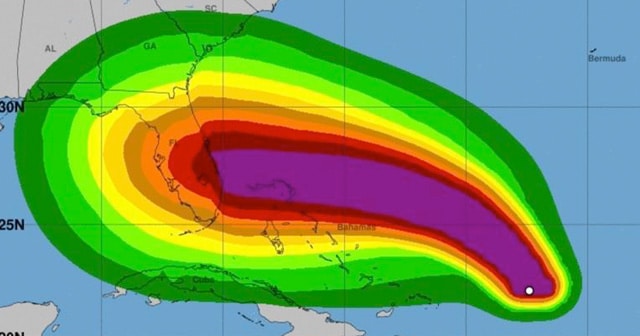

Your tablet and smartphone can be invaluable tools to help you stay out of harm’s way during hurricane season.

Within SkyNet’s new module featuring weather from DTN, users will be able to add weather information over live tactical views of flights.

There are no “surprise” thunderstorms for storm chasers like Mike Marz, creator of The Last Storm documentary.

Prolonged heat waves create significant impacts on the energy grid. Hotter temperatures lead to increased cooling demands, particularly during the afternoon when temperatures generally reach their peak.
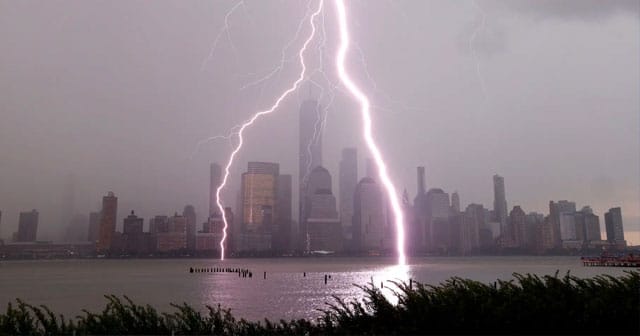
NYC photographer Gary Hershorn uses RadarScope to track the storms in real time, helping him set up for the perfect shot.

Even before the COVID-19 impact, airlines were facing razor-thin margins and the imperative to cut costs wherever possible. New restrictions on flight capacities are compounding the struggle.
A successful long-lead forecast for the recent, significant pattern change over Europe provided early insight on conditions. The sub-seasonal forecast successfully predicted the change from warm, calm weather patterns of June to cooler, wetter windier conditions in early July — three weeks in advance.
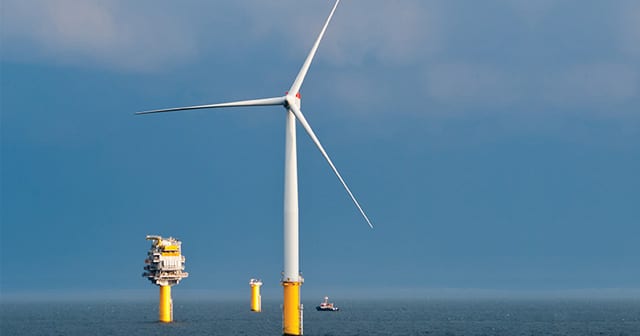
Whether you’re working on a wind farm installation, planning routine maintenance, or planning to decommission a site, it’s clear that weather conditions can impact your work. This situation has been the case since the very early days of offshore wind farms. But it’s not just about operations, the weather impacts every phase of a project lifecycle.
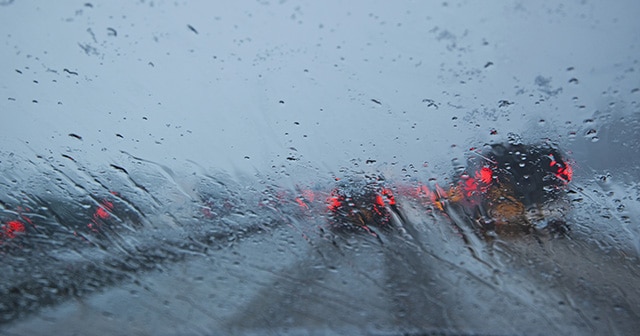
Winter road maintenance services have a tough job. It’s all about balancing safety, without letting costs spiral. Treating roads too late can lead to accidents and traffic jams, but unnecessary treatments mean high costs and avoidable environmental damage.

Power failures and interruptions are on the rise. According to Inside Energy, between 2000 and 2014, the five-year annual average of outages doubled every five years.